Double vs Triple Glazing
How to choose window glazing
A simple guide to choosing between double and triple glazing for your home. Learn when each type makes sense, what you'll save, and how orientation affects performance.
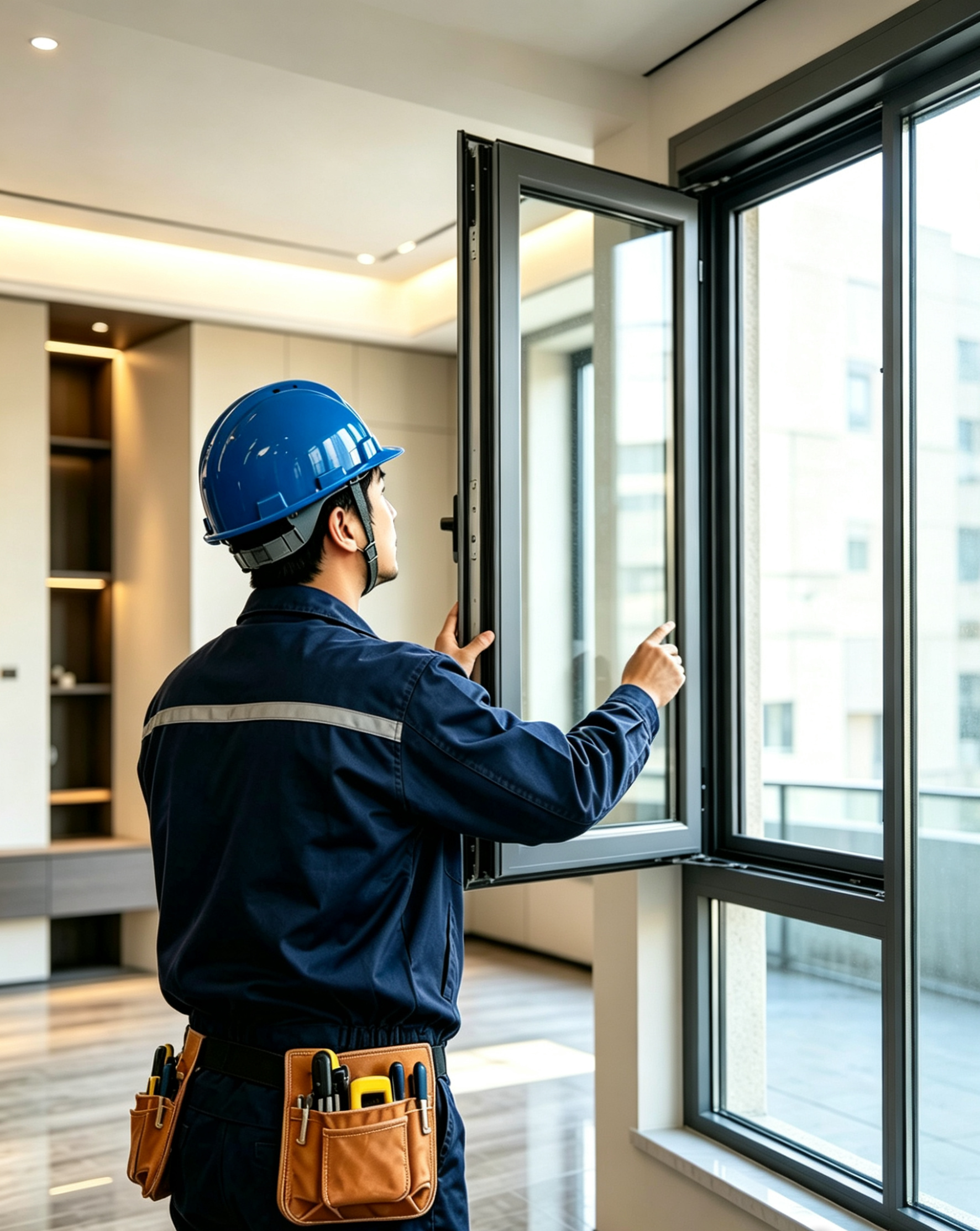
A simple guide to choosing between double and triple glazing for your home. Learn when each type makes sense, what you'll save, and how orientation affects performance.
It's not just about thermal insulation and heating bills — it's also about comfort, noise reduction, and condensation on windows in winter. Learn when triple glazing is necessary and when standard double glazing is perfectly sufficient.
Annual savings (Energy Saving Trust):
Payback period: The premium for triple glazing pays back in 40-80+ years — practically longer than the window's lifespan. The main benefit of triple glazing is comfort (warmer glass in winter, less condensation), not financial savings.
Most sunshine → risk of overheating in summer. Recommended: solar control glass (limits heat gain) + shading (blinds, overhang).
Hot afternoons → similar to south. Difficult to shade (low sun angle). Solar control is a priority.
Gentle morning sun → usually no problem. Standard glazing sufficient.
Minimal sun → priority is low U-value (best insulation). This is where triple glazing makes sense.
Contrary to intuition, the number of panes does not determine noise reduction. What matters is:
If noise is a priority (busy road, railway), adding a third pane isn't enough — you need specialist acoustic glass, whether double or triple.
Requirements from 2022 (Approved Document L):
Practical conclusion: Good A-rated double glazing (U~1.2-1.4) meets current regulations. Triple glazing is useful for premium new builds and future standards.
Based on Energy Saving Trust, UK Building Regulations (Approved Document L), and Reynaers Aluminium technical specifications • Updated September 2026